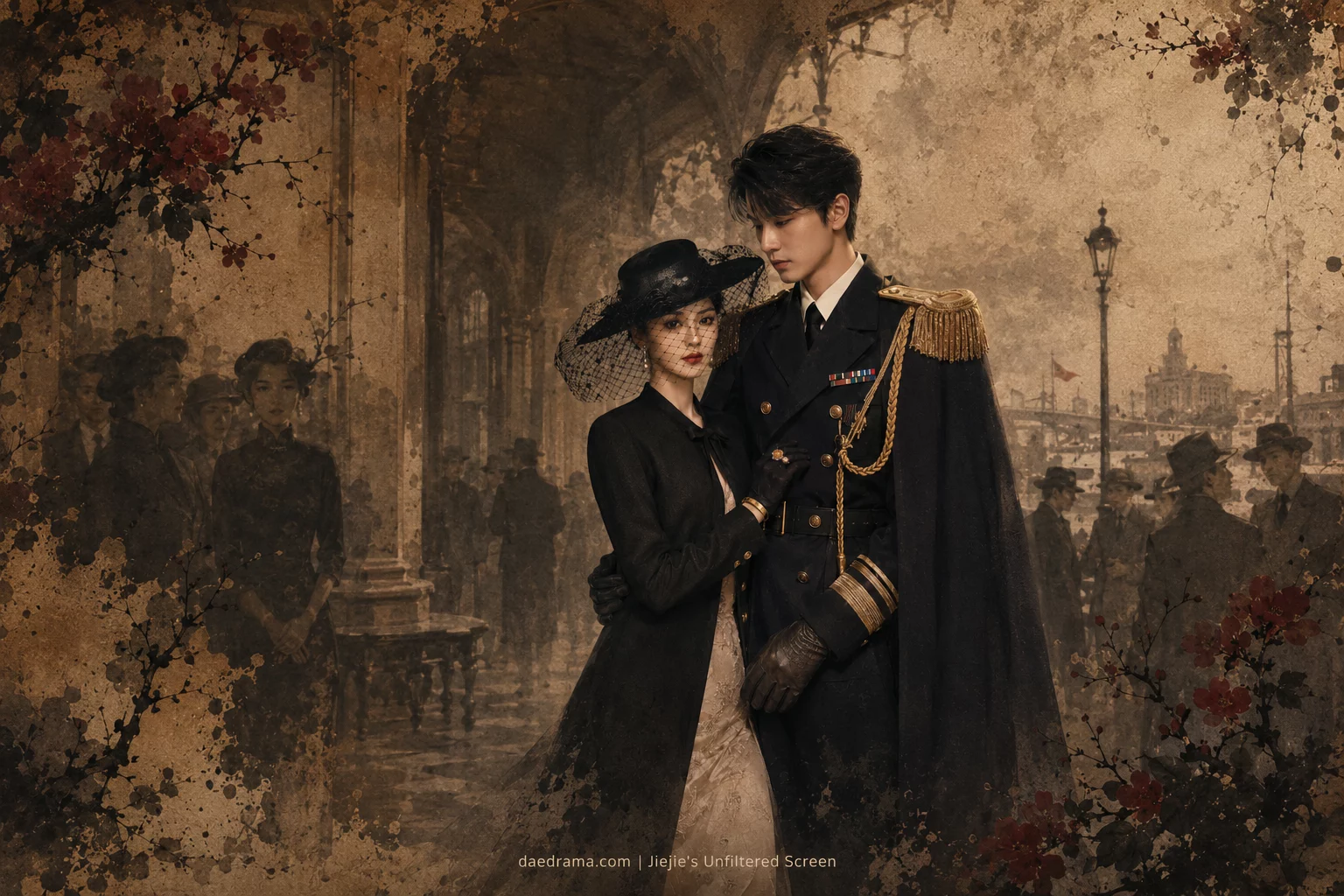
Subtitles frame it as romance, but Ren Susu just admitted to using him. Breaking down the toxic relationship dynamics in episode 3 of the C-drama Overdo.
Grab your favorite drink and pull up a chair, because we seriously need to talk about him. You know exactly who I mean if you have been keeping up with our latest watch. We have spent years watching female leads chase absolute disasters of men, and honestly, I thought we were getting a refreshing break when the tables finally turned. But instead of a satisfying subversion, we are watching a brilliant, handsome man walk straight into a burning building for a woman who literally handed him the matches. I am not pointing fingers here—heaven knows I have rooted for some questionable couples in my time—but watching him double down on a relationship that practically started with a confession of emotional fraud has me pausing the screen. It is entertaining, it is high-drama, but my goodness, my emotional wellness mind is screaming at him to pack his bags and run.
The Relationship | What We Are Looking At
In the Republican-era drama Overdo, the central relationship between the refined warlord's son, Murong Qingyi, and the vengeful Ren Susu serves as a masterclass in romantic delusion. While we finally have a shift from the typical "naive girl chasing a bad boy" trope, we are now presented with a male lead who possesses every advantage on paper—wealth, status, and intelligence—yet chooses to anchor his soul to a woman weaponizing her trauma against him. This dynamic is worth examining because it tests the boundary where empathetic devotion morphs into self-destructive foolishness.
The Flags | What Was Actually There
The crimson banners are waving high, but the absolute breaking point happens around the 29:30 mark of episode three. Ren Susu aggressively yanks her hand away from Murong Qingyi, finally dropping the mask to declare: "Since we first met, I've wanted to sneak into the Huo Family. Later, I knew you were close to the Huo family, so I TOOK ADVANTAGE OF YOU. Don't you get it?"This isn't just a red flag; it is a structural demolition of trust. The drama attempts to frame her confession as a tragic, noble attempt to shield him from her dark quest. In reality, it is a textbook case of foundational fraud. A healthy, self-respecting response would have been a polite, "Thanks for the honesty, let’s have tea sometime, deuces!" Instead, Qingyi internalizes her deception. He chooses to view her blatant exploitation as a cry for help, diving deeper into her toxic orbit under the guise of understanding her pain. Thankfully Ren Su Su was so toxic she made sure to end the relationship with no wires dangling. Because even if he loved a dead woman there was no reason for hope -as long as she remained dead.
The Framing | Why The Drama Made It Look Good
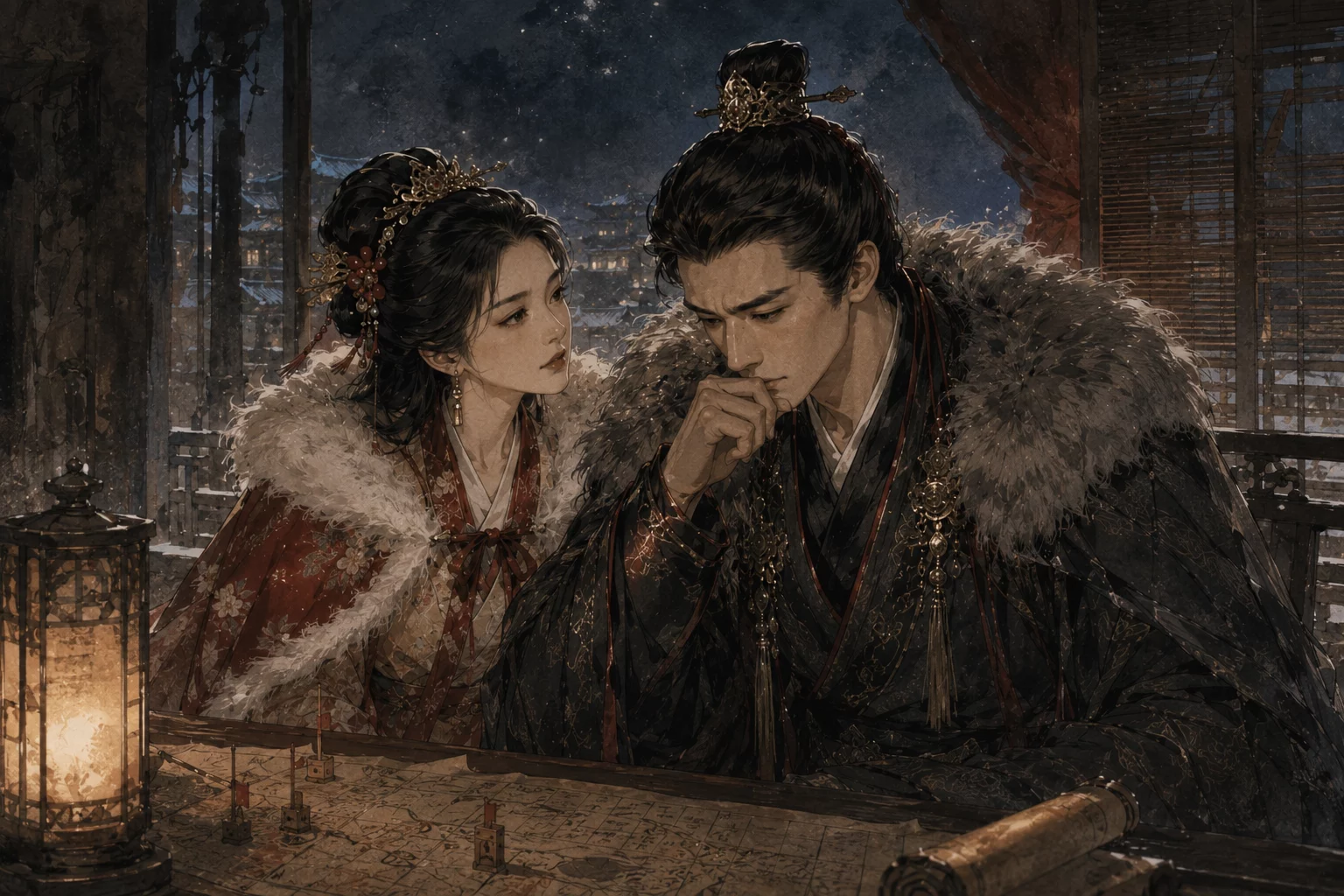
The production team works overtime to make this transactional betrayal feel like an epic, star-crossed romance. The moment she confesses to using him, the lighting softens into a warm, amber glow, casting long, melancholic shadows that emphasize their supposed isolation against a cruel world. The background music swells with a sweeping, sorrowful string arrangement, deliberately tugging at our heartstrings to elicit sympathy for Susu’s tragic past rather than horror at her current behavior. The editing cuts rapidly between her tear-filled, defiant eyes and his expression of profound, aching longing. By centering the camera on his desire to "save" her, the directors signal to the audience that his refusal to walk away isn't a lack of self-respect—it is the ultimate proof of a grand, unconditional love designed to give us butterflies.
The Mirror | Why We Fell For It Too
Let’s be honest with ourselves: we fall for this dynamic on screen because it feeds a deeply rooted psychological fantasy. There is an intoxicating appeal in the idea of being chosen so intensely that even our worst actions and our open admissions of manipulation cannot drive the other person away. We watch Qingyi look at a woman who admitted to exploiting his family ties, and we envy the sheer magnitude of a care that refuses to walk away when things get ugly. It taps into our own hidden desire to be seen, understood, and rescued from our darkest impulses without facing the consequences of how we treat people. We don't judge him because, on some level, we want to believe a love that resilient actually exists.
The Reframe | What A Healthy Version Looks Like
What if devotion didn't require the complete surrender of one's self-respect? A healthy version of this dynamic would see Qingyi acknowledging her trauma without volunteering to be her emotional casualty. He could step back to let her wage her own battles while maintaining his own boundaries. Care without codependency means wishing someone well on their path to healing, while firmly deciding that you deserve a foundation built on honesty rather than a transactional lie. You are educated, handsome, and worthy; you don't need to be someone's martyr.
Your Turn | Which Drama Relationship Made You Think Later?
Which drama relationship initially gave you intense butterflies, only for you to realize later that you were actually cheering for a completely toxic dynamic? We have all been there, and I would love to hear your thoughts. Let’s chat and break down these flags in the comments below!
Move from the role of the martyr to the lead in your own life. Jiejie shares actionable steps for setting boundaries and living with intentional excellence.