Jiejie's Greeting | The Truth Opener
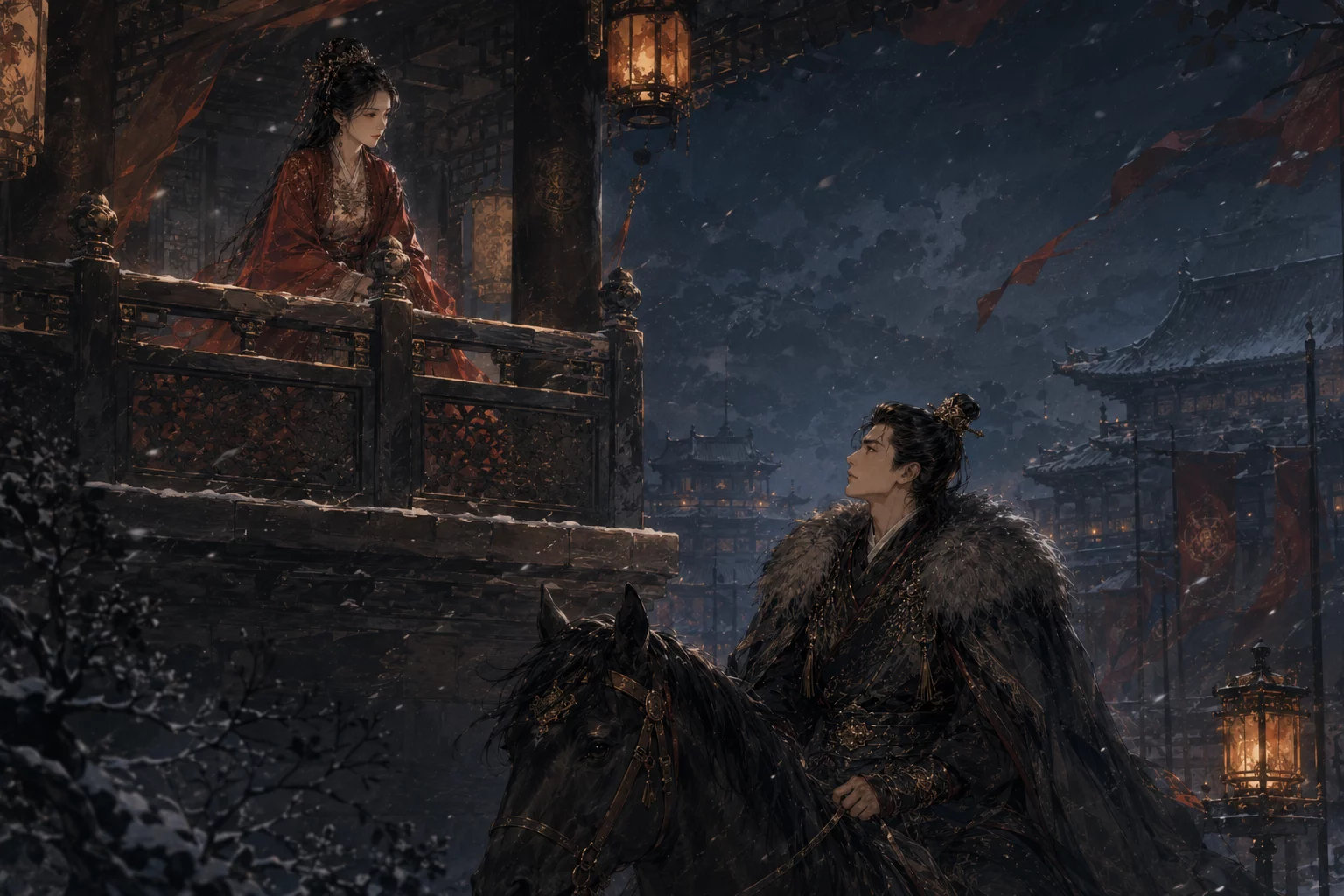
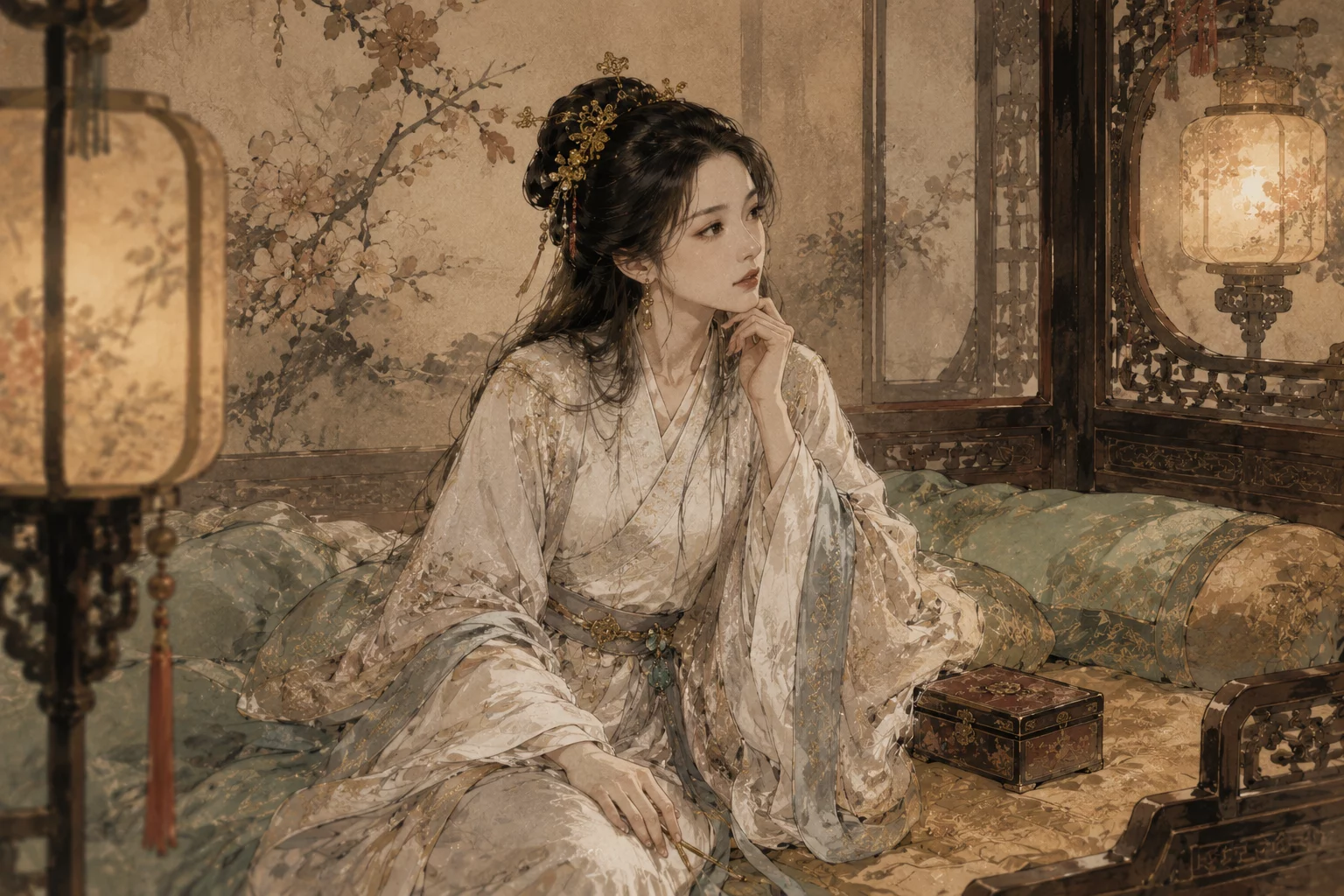
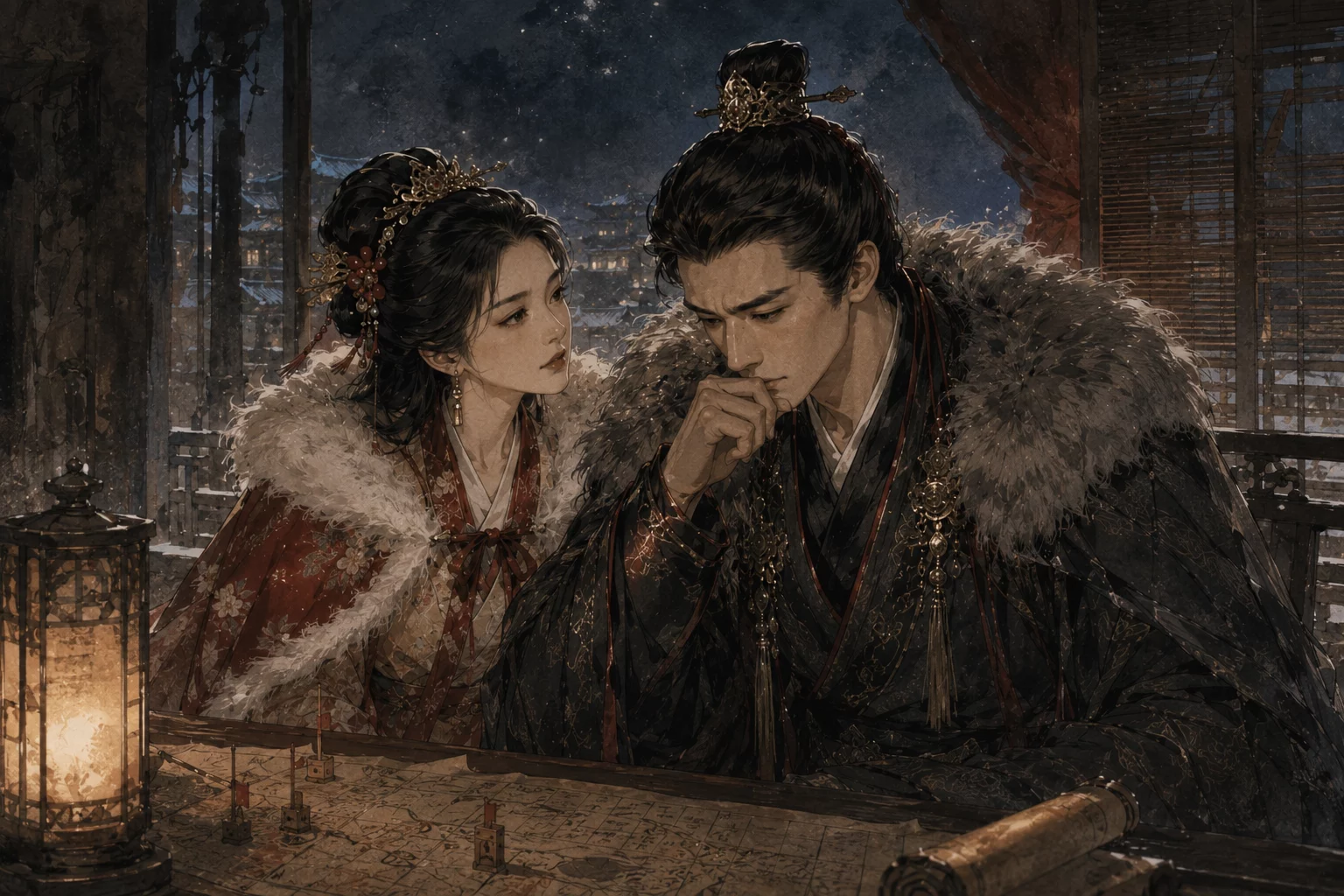
Hey, drama family, pull up a chair — we need to have an unfiltered heart-to-heart about The Prisoner of Beauty. You know I'm always rooting for these sweeping historical epics to sweep me off my feet, but I need to tell you about the psychological web this specific show drops you into. I just finished a full rewatch because my brain refused to let go of how contradictory and intense our main leads really are. If you're looking at the stunning poster art and wondering whether this is just another glossy historical romance with a generic, brooding anti-hero, stop right there. This drama is a different beast, and we need to unpack how it handles the fragile reality of human trauma before you press play.
The Headline Take | The Short Version
If a friend texted me right now asking "is it worth it?" my reply would be: yes, it's a 9.0/10 you need to watch, but go in ready for an emotionally grueling, psychologically complex ride rather than a standard romantic escape. The story drops us into a politically volatile world built on brutal family feuds and generational vendettas — the same forces that tear our main couple apart before forcing them into a marriage of convenience. It's an exceptional piece of storytelling that demands your full attention, because it dares to explore how a terrifying, iron-fisted military authority can also be a genuinely broken human being.
What It Gets Right | Credit Where It's Due
What this drama gets right is the dimensionality of its characters, especially the contrast in Wei Shao. The writing and the performance deliver a masterclass by showing us a man entirely willing and capable of wiping out an enemy clan, yet who can't fall asleep without a light on. The "Scared of the Dark" motif is earned in a devastating scene where Wei Shao collapses into a violent, gasping panic attack on the bedroom floor, clawing at the empty air as the shadows lengthen. The show doesn't treat his PTSD as an aesthetic — it ties it directly to a childhood memory of being crammed into a dark, closed crate to survive while his father and older brother were slaughtered right outside. The performance strips away masculine stoicism to expose a terrified child underneath, while Xiao Man reads the room instead of pushing — she waits him out, lets him come to her instead of cornering him. It proves that people are genuinely complex: someone can have a good heart and still do something terrible out of pain, and a fierce warrior can still be paralyzed by a dim room. The side characters hold up their end too — never overplayed, always contributing to the story's weight.
Where It Loses You | The Honest Part
Where the series slips just short of a perfect 10 isn't pacing — it's that the script falters under its own political baggage in the final stretch. Around the late-game political maneuvers, the narrative briefly drops the tight psychological friction between the leads in favor of convoluted palace schemes that feel recycled from lesser dramas. After dozens of episodes of a brilliant, silent mental war between two people who actually know how to read each other, some of the late-stage external conflicts feel injected just to keep them physically apart. It doesn't ruin the journey, but it briefly turns an intimate, character-driven psychological thriller into a generic, plot-heavy historical, and that breaks the spell for a while.
The One Thing | What Really Got Under Your Skin
The one thing that really got under my skin — the choice that will have you wanting to scream at your screen — is how long it takes Wei Shao to stop Keeping the Ghost"keeping the ghost" of his father's vengeance alive at the expense of his own sanity. There's an agonizing confrontation where his grandmother, Lady Xu, keeps feeding the fire of his generational resentment, and he consciously chooses to push Xiao Man away, even knowing she's his only real sanctuary. It's a stubborn, infuriating decision, and it breaks your heart because you're watching a man willfully lock himself back inside his own dark, childhood crate just to satisfy an ancestral blood debt.
The Verdict | Watch, Skip, Or Wait
Watch now, if you can handle heavy. This is a must-watch for anyone tired of cardboard characters and craving real psychological depth and a slow-burn romance that's actually earned. Skip it if you want a light, fluffy historical escape with a plot that resolves easily — this one asks a lot of you emotionally, and it doesn't apologize for that. And if you're in a rough season yourself — grieving, burnt out, running on empty — this might be one to wait on. It's not comfort watching. It sits in grief and generational wounds for a long time before it lets you exhale, and that's exactly what makes it worth it, but only when you have the bandwidth to sit in it with them.
Your Turn | What's Your Unfiltered Take?
Now I want to hear from you! Do you think Wei Shao's fear of the dark made him more relatable, or did his stubborn family loyalty drive you just as crazy as it drove me? Drop your honest thoughts in the comments below!