The Trope | Name and Define It
Enemies to Lovers is the narrative framework where two characters begin in a state of mutual animosity, fierce rivalry, or systemic opposition, then gradually dismantle their ideological or personal barriers through forced proximity and shared trials — until conflict transforms into a profound romantic connection. If you can't define it as a structural exercise in psychological unlearning, rather than just bickering with extra steps, you can't analyze its real weight.
The Origin Story | Where Did This Come From
The trope is rooted in ancient political practice, where warring factions used marriages of convenience to secure truces and treaties, and in classical genre conventions that prize narrative tension above all. Showrunners love it because it's a reliable shortcut to high-stakes emotional investment. Conflict generates drama on its own, and watching that conflict evolve into vulnerability gives the audience an immediate, addictive hit of narrative gratification. It also survives because it mirrors something true about people — trust built against resistance tends to feel more durable than trust handed over freely.
The Best Execution | When It Works
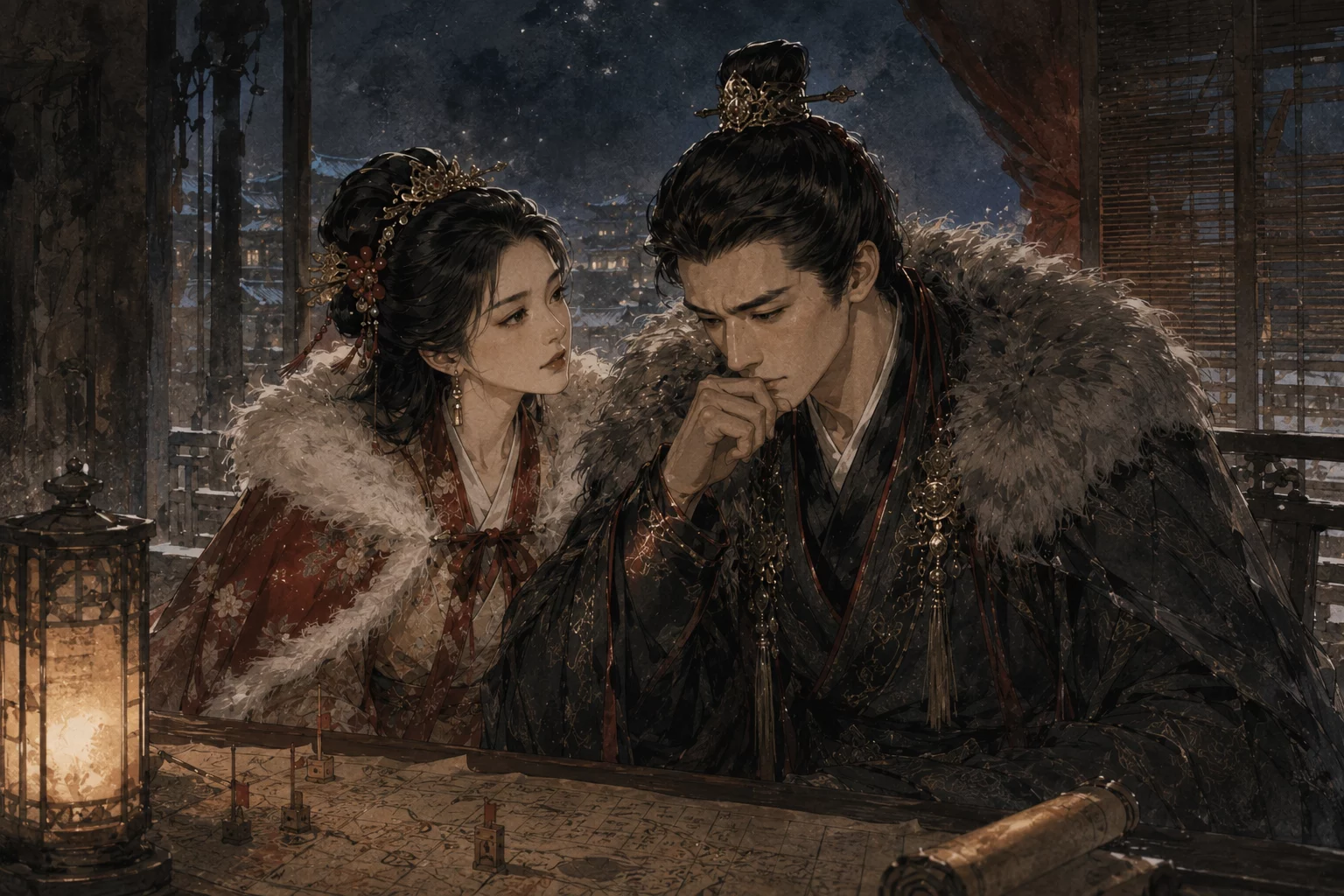
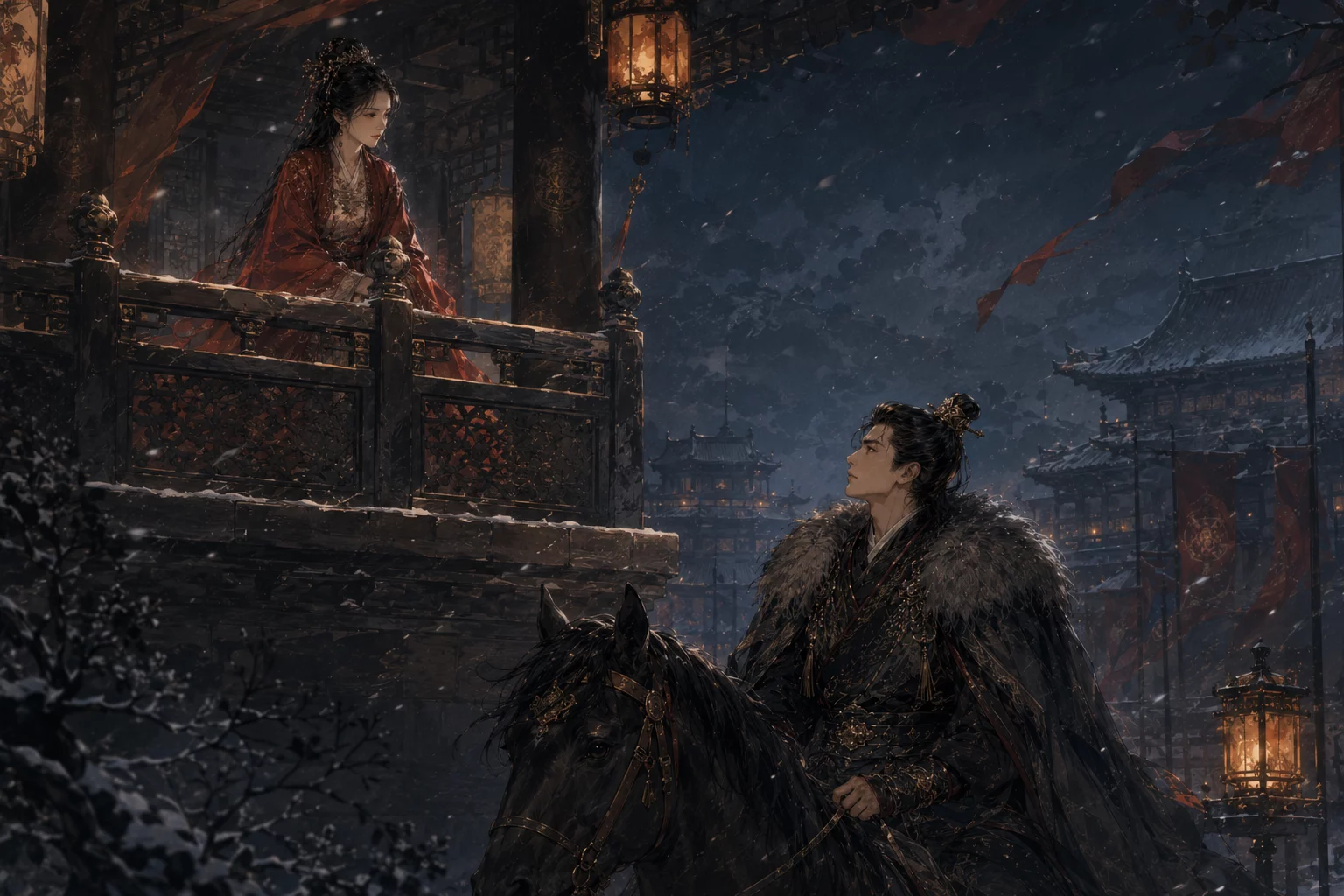
The gold standard is The Prisoner of Beauty, where the "enemies" half of the equation is treated with real psychological weight. What works is the refusal to dilute the stakes: Wei Shao's hatred is tied to legitimate wartime trauma, not a misunderstanding that could be cleared up in one honest conversation, and Xiao Man's weapon is quiet, strategic emotional intelligence rather than artificial physical strength. Neither of them softens for the sake of the plot — they soften because the other person earns it, scene by scene. That's what makes their eventual trust feel inevitable instead of convenient.
The Worst Execution | When It Crashes
The trope collapses when the "enmity" is manufactured rather than earned — built on a misunderstanding so thin it could be resolved with one honest sentence, then artificially stretched across forty episodes because the plot has nothing else to run on. A male lead who spends half a series cold toward the female lead over something as small as a spilled cup of tea, an overheard rumor, or a case of mistaken identity, is not enemies to lovers — it's a communication failure wearing the trope's clothes. The tell is always the same: once the "reveal" finally lands, the resolution takes minutes, not episodes, which retroactively exposes how little the conflict ever cost either character. When the stakes were never real, the reconciliation can't be either, and the whole arc curdles into a frustrating, unbelievable punchline instead of a payoff.
The Verdict | Retire It or Protect It
This trope should live and keep evolving — but only the version built on real ideological or emotional cost. The manufactured, misunderstanding-driven version has worn out its welcome and deserves retirement. Handled with psychological depth, the way The Prisoner of Beauty handles it, the trope exposes the complicated dimensionality of human nature — proving that strong, authoritative figures can carry deep vulnerabilities, and that true power lies in the grace to turn a potential hell into a heaven.