The Moment | What Started This
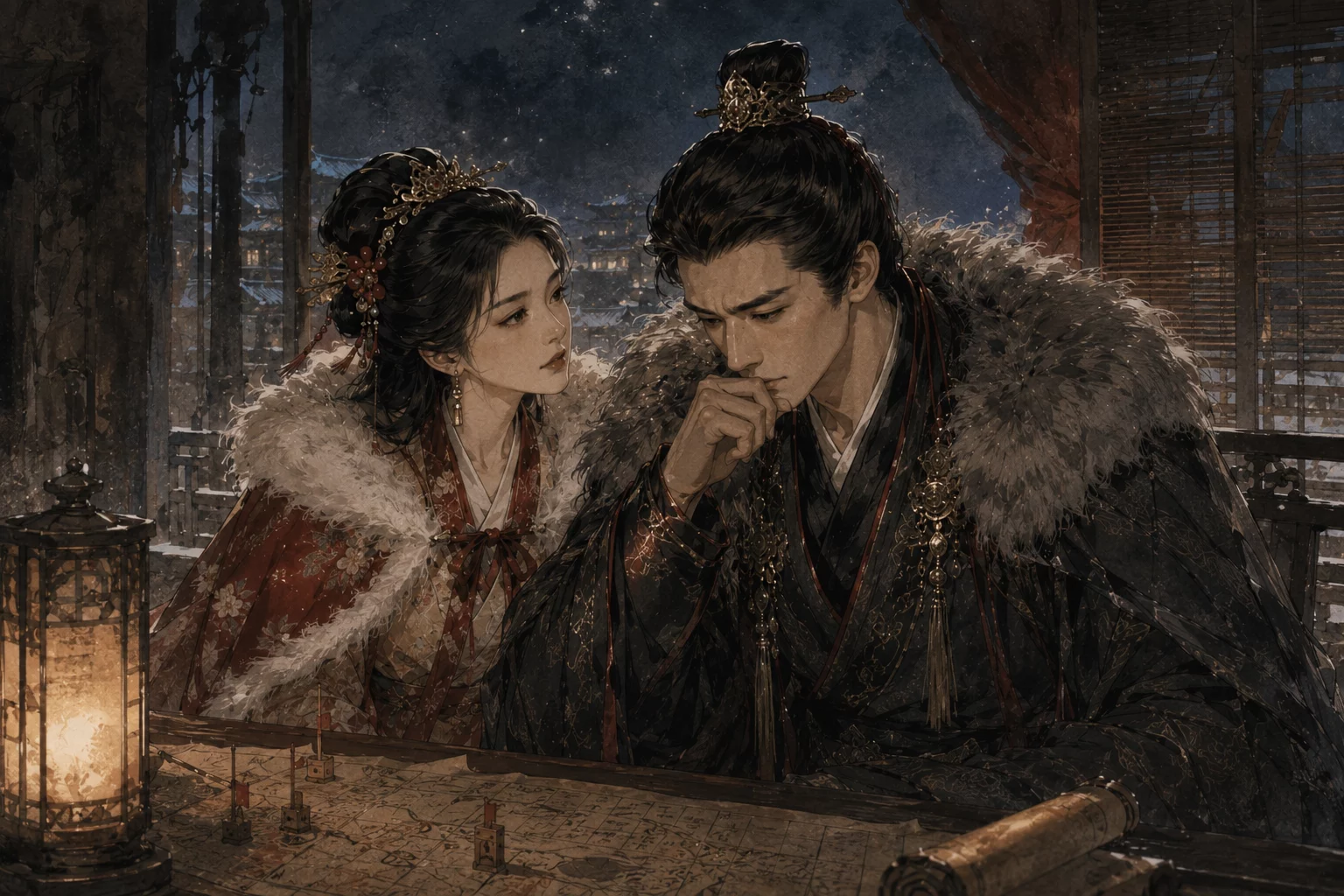
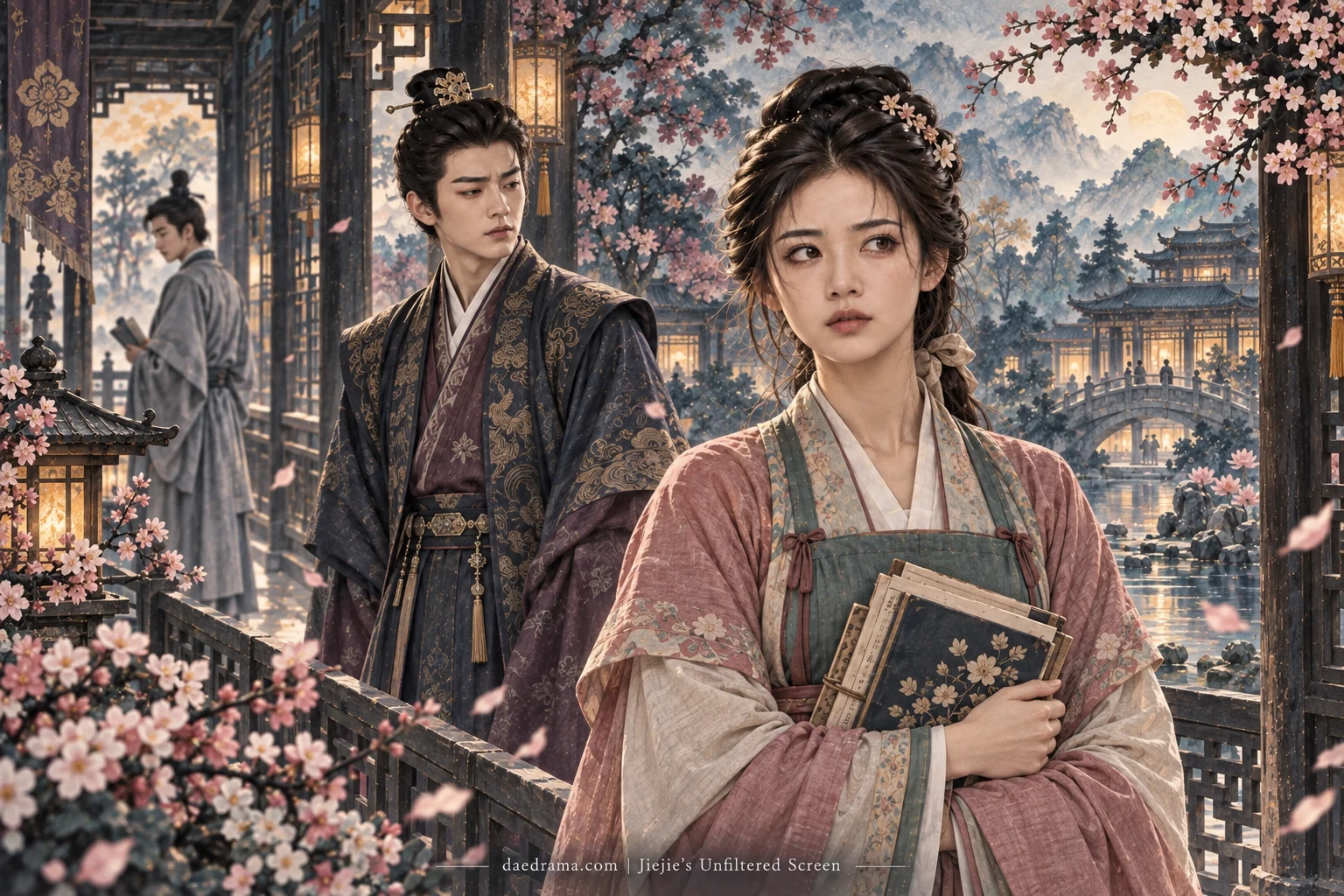
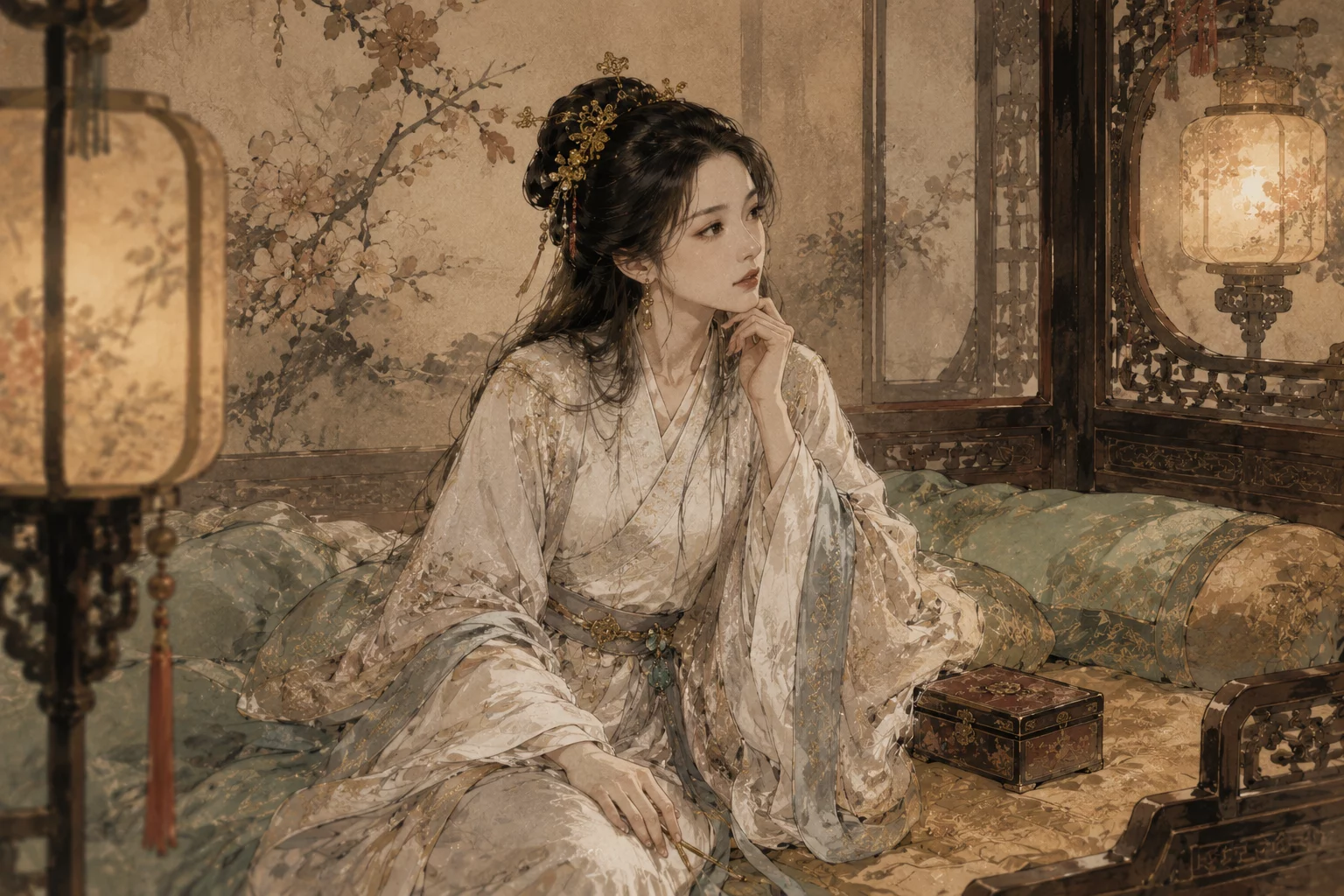
The screen goes still, save for the flicker of a single candle, but the silence between Xiao Man and Wei Shao feels loud enough to crack the palace walls. She doesn't scream. She doesn't launch into a defensive monologue. She doesn't lean on tears to manipulate the room. She simply sits there, spine anchored, looking directly into the eyes of a man who could order her execution with a flick of his wrist. Her posture stays humble, her eyes clear, her mouth closed. It's the exact second you'd expect a typical historical drama heroine to pull some impossibly clever trick out of her sleeve, or land a sharp line that magically humbles the warlord standing over her. Instead, Xiao Man chooses total, deliberate silence — not the silence of defeat, but the razor-sharp calculation of a grandmaster moving a piece on a board her opponent doesn't even know they're playing on. Watching her hold her tongue until the exact millisecond her words will carry maximum weight sent a chill down my spine. The tension in that room isn't generated by physical threat but by a sudden shift in mental gravity. You can feel the moment the air changes, and the genre's usual power dynamics dissolve with it. It's The Prisoner of Beauty showing us what true beauty actually looks like in a narrative: a graceful presence navigating a situation that is loud, dangerous, and uncontrollably volatile.
The Reaction | Raw and Honest
It's a relief to watch a female lead who's allowed to be quiet without being branded weak. My gut reaction to this dynamic was satisfaction, mixed with real gratitude that a director trusted the audience enough to let a mature relationship breathe. I wanted to yell at my screen: finally, a writer who understands that a smart woman doesn't have to be loud to be powerful. Historical drama has been flooded for years with artificially independent, overpowered female leads who arrive fully formed, flawless, out-talking every seasoned politician in the room just to prove a point. It's exhausting, and it's detached from how strategy actually works. Watching Xiao Man navigate this brutal chessboard with unassuming, deeply strategic grace felt like an oasis in a desert of tropes. She's cute, quiet, considerate — and beneath that softness is an iron will that refuses to back down. She's in a mental cage match with a literal bull with brains: Wei Shao is stubborn, fierce, historically conditioned to destroy her. Yet she holds her ground without sacrificing her humility. And the best part is that the narrative actually lets him step back and let her fight. There's no patronizing rescue. He sees her strategy, respects the challenge, and leaves room for her to push back. That mutual recognition is where the real magic happens — it opens up space for a powerful, alluring intimacy.
The Why | Where the Feeling Comes From
This hit hard because I'm thoroughly done with cardboard cutouts masquerading as complex human beings. Once you cross into your late twenties and thirties, the way you read romance and power in media changes. You stop chasing toxic, explosive fireworks and start looking for genuine psychological friction. The dynamic between Xiao Man and Wei Shao lands with such weight because it mirrors the exhausting reality of navigating high-stakes environments where you can't simply muscle your way through an adversary. It reminded me of the professional and personal spaces we navigate outside of television, where the loudest person in the room is rarely the wisest. This drama forced me to redefine what "true beauty" means in storytelling. It isn't physical perfection or a flawless face — it's the capability to maneuver through a life that's loud and uncontrollably volatile. It's the wisdom to step back, breathe, and think deeply on a high-stakes situation before attacking it with minimal wasted motion. The Prisoner of Beauty doesn't shield you from the ugliness of its world. It immerses you in the suffocating weight of family feuds, generational vendettas, and cold, calculated politics — the exact forces that tear Xiao Man and Wei Shao apart, building walls between them. But because the writing is patient, those same trials become the forge that tempers their trust and pulls them back together.
The Broader Point | What This Reveals
Step back from the emotional high of the romance, and this characterization reveals a shift the genre has needed for a while. It proves a law many modern showrunners have forgotten: wit plus want equals a way, if there's a will. By writing a heroine who's wise and humble rather than loud and overpowering, the show restores real stakes. When a character is an untouchable genius who solves every political crisis in five minutes, the tension vanishes. Here, Xiao Man's strengths are rooted in emotional intelligence, timing, and restraint, so every interaction feels fragile in a way that matters. The Prisoner of Beauty is at its best when she walks into the enemy's doors with total grace and turns a looming hell into a heaven of strategy and peace. That elevates the whole series from a simple romance into a balanced ensemble piece. The side characters are never overplayed — never cheap comic relief or disposable filler to stretch the runtime. Every person in this world contributes to the story's momentum. That restraint gives the production room to shock you: sudden, brutal deaths carry real consequences, balanced against a sophisticated, beautifully staged intimacy. Wei Shao's arc is a quiet thesis on mature growth. He's fiercely loyal, honorable, stubbornly dedicated to his cause — and still remarkably open-minded, willing to change when he meets a perspective better than his own.
The Sign-Off | Where You Land
I didn't expect to find myself re-evaluating this drama weeks after the finale, but that's the mark of exceptional storytelling. I'll be honest: when the finale first hit, I was torn on where to land my grade, oscillating between an 8.5 and a 9.0 while I processed the weight of the ride. It was only after a full, deliberate rewatch that the pieces crystallized. This isn't a flawless, utopian 10 — the genre's political baggage keeps it from perfect — but it's a solid, unshakeable 9.0/10. It respects your intelligence, refuses easy resolutions, and delivers a memorable journey from its opening frame to its last breath. I'm not leaving this series with neat, packaged closure — I'm leaving it with a lingering, appreciative awe for how beautifully Wei Shao and Xiao Man's dance of strategy and vulnerability was executed. If you're tired of recycled historical formulas and craving a romance that actually challenges its characters to grow, stop hesitating. Put The Prisoner of Beauty on your watchlist. You'll walk through the fire with them, feel the weight of every silent gaze, and by the end you'll realize how rare it is to find a drama that handles both the mind and the heart with this level of mastery.