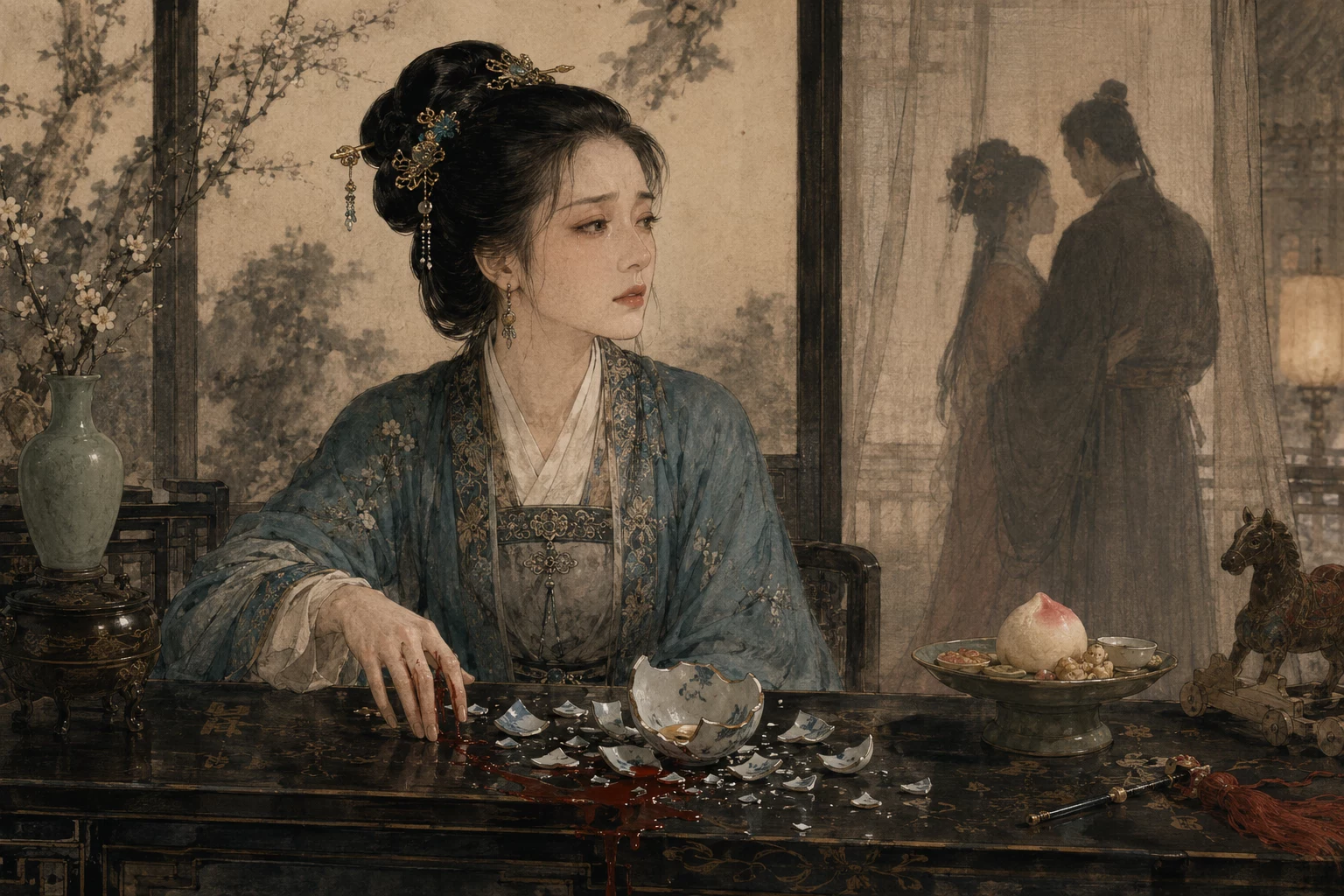
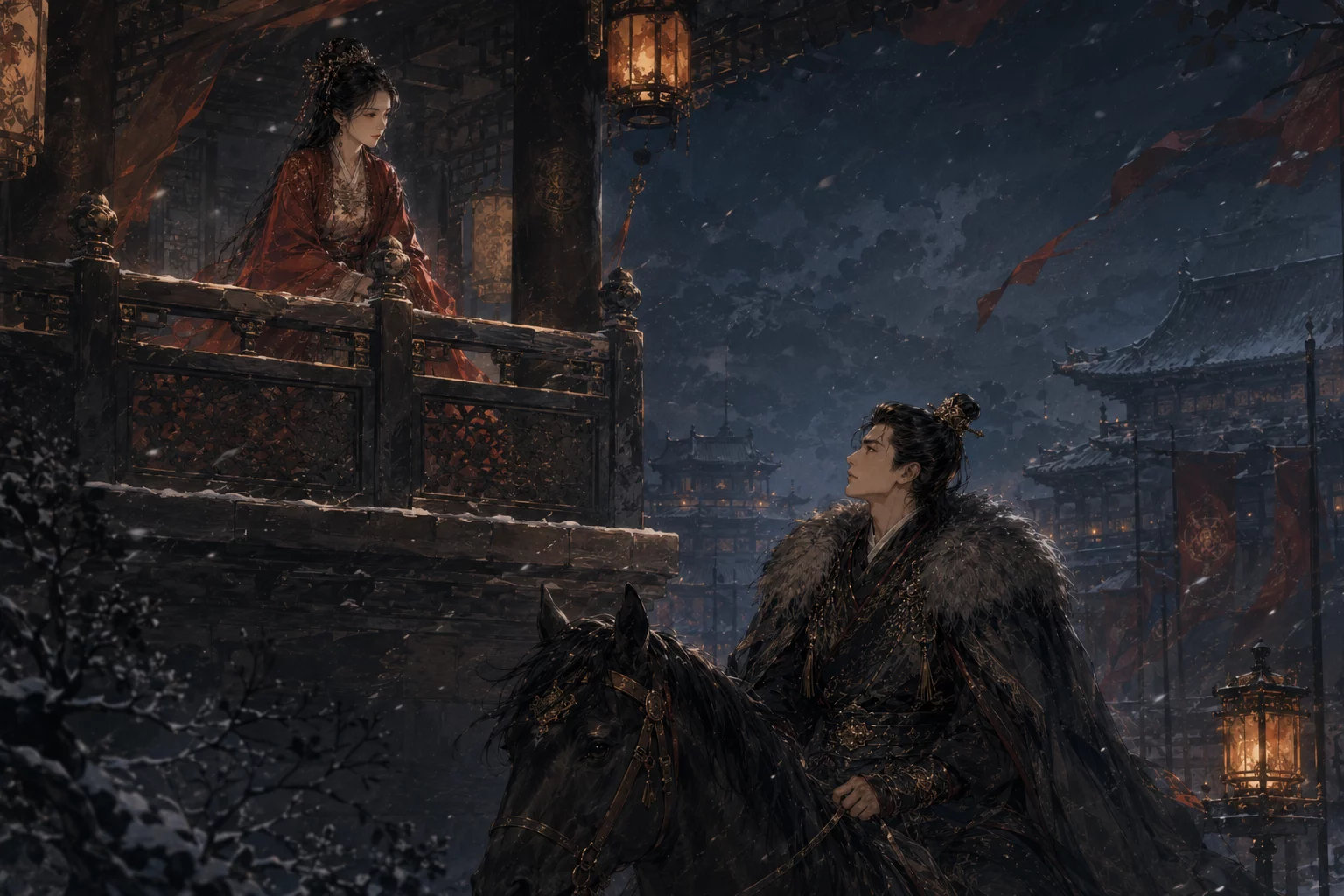
Palace romances thrive on the delicious tension between absolute power and total vulnerability, proving that the higher the throne, the harder the fall for a heart in love.
The Setup | Context Without Spoilers
When we dive into the world of Royal Intrigue, we aren't just looking for pretty hanfu or elaborate tea ceremonies; we are looking for the "Main Character Energy" that survives the shark-infested waters of the Inner Court. These dramas typically follow a brilliant, often underestimated lead—like the sharp-witted Wei Yingluo in *Story of Yanxi Palace* or the resilient Ruyi in *Ruyi’s Royal Love in the Palace*—as they navigate a landscape where a single misplaced word can lead to exile, and a secret romance is a literal death warrant. It’s a high-stakes game of chess where the pieces are human hearts and the board is paved in gold. To truly understand this genre, we have to look past the silk robes and unpack the calculated political and emotional geometry that makes these forced-proximity, forbidden power dynamics completely irresistible to watch.
The Strengths | What It Gets Right
The true magic of these dramas lies in the intellectual foreplay of the "Power Couple" dynamic. There is nothing more satisfying than watching a King and his Consort communicate an entire battle plan through a single glance across a crowded, dangerous banquet hall. Take, for instance, the silent, razor-sharp coordination between Ning Yi and Feng Zhiwei in *The Rise of Phoenixes*; the way the leads use dense court politics and shifting factional alliances as their actual love language is absolutely breathtaking. These historical epics also excel at world-building through profound visual metaphor. The cinematography routinely uses the physical, crushing architecture of the palace—the towering high red walls, heavy stone gates, and suffocatingly narrow corridors—to mirror the deep emotional claustrophobia of the characters. When an otherwise rule-bound lead finally breaks a structural law for the sake of love, the contrast against that rigid, unyielding backdrop makes the emotional payoff feel completely monumental and earned.
The Problems | Where It Loses You
Where these sweeping epics often lose their footing is in the predictable "Mid-Series Fatigue," specifically when the writing group sacrifices character consistency for the sake of manufacturing cheap tragedy. We’ve all experienced the frustration: a brilliant female lead who has spent thirty episodes outsmarting every corrupt, seasoned minister in the capital suddenly becomes completely "plot-stupid" in episode 31, walking directly into an incredibly obvious trap just so the writers can manufacture a dramatic rescue scene for the male lead. It’s deeply frustrating because it actively betrays the "Main Character Energy" and strategic intellect we’ve invested in for weeks. Furthermore, the secondary "jealous harem rival" trope often severely lacks thematic depth; when an antagonist's sole motivation is reduced to "I want the Emperor's attention," their subplots feel completely hollow and flat compared to the complex, multi-layered economic and political maneuvering happening elsewhere in the script.
The Red Flag | The One Thing That Bothered You
The "Sacrificial Lamb" trope used purely for the sake of a male lead’s tragic character growth is a tired, glaring red flag that makes me want to throw my remote straight at the screen. If a brilliant, capable woman has to be executed, broken, or stripped of her hard-won agency just so the Emperor can finally "understand the heavy weight of the crown," the writing has fundamentally failed the character and cheated the audience out of a real resolution.
The Final Word | Watch Skip or Wait
Worth the Hype. Despite the occasional dip in mid-season script logic, the intense emotional payoff, brilliant power dynamics, and the sheer aesthetic majesty of palace romances provide a high-stakes brand of escapism that no other television genre can touch.
Subtitles frame it as romance, but Ren Susu just admitted to using him. Breaking down the toxic relationship dynamics in episode 3 of the C-drama Overdo.